Search

Show prices tax inclusive Show prices tax exclusive
Show prices tax inclusive









Bricks
Rose Building Supplies stocks a wide range of building bricks for new builds, extensions, garden walls, repairs and renovation projects. Shop facing bricks, engineering bricks, concrete common bricks and London Brick Company bricks from trusted manufacturers including Forterra, Ibstock and Wienerberger. Need help matching existing brickwork? Our Peterborough and Huntingdon branches hold brick samples and manufacturer literature to help compare colour, texture and finish. You can also use our Brick & Block Calculator to estimate quantities for your project. Local delivery is available across surrounding areas, with a delivery-only service to Corby.
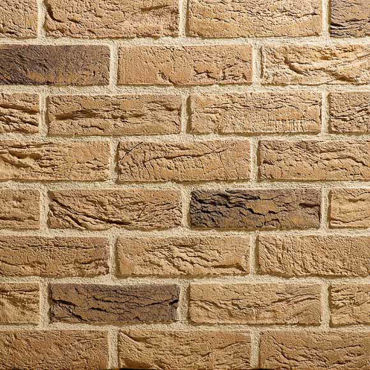

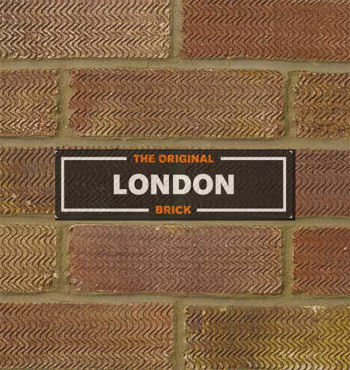

65mm Dense Concrete Frogged Common Brick
Dense Common Bricks are designed to be used for all types of construction above and below dpc level, independently or in conjunction with dense aggregate concrete blocks.
Stock Availability: In stock
£0.58 incl tax

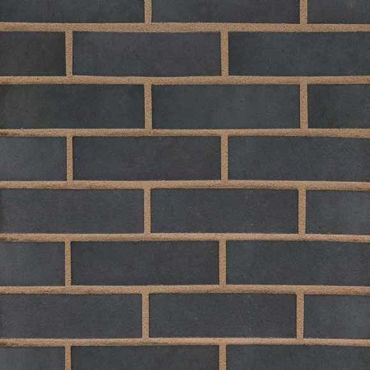
Forterra Chatsworth Grey Brick 65mm
Forterra Chatsworth Grey, a premium wirecut brick perfect for contemporary and traditional construction projects. Weighing 1.95kg, this high-quality brick features bevelled side edges, straight top and bottom edges, offering both style and durability.
Stock Availability: Out of stock
£1.19 incl tax
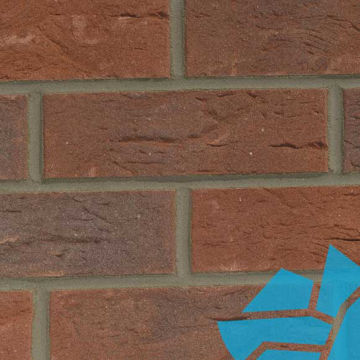
Forterra Frampton Red Mixture Brick ( Clumber Red Mixture ) 65mm
Forterra Frampton Red Mixture ( Clumber Red Mixture ). Frampton (Clumber) Red Mixture light textured brick is a red, light-textured, wire-cut.
Stock Availability: In stock
£1.00 incl tax

Forterra Hampton Rural Blend Brick
Forterra Hampton Rural Blend, a facing bricks featuring a delightful red multi-colour finish that complements both classic and contemporary designs. Crafted from durable clay, these bricks ensure strength and longevity for your projects.
Stock Availability: In stock
£1.13 incl tax

Forterra Village Harvest Multi Brick 65mm
Forterra Village Harvest Multi, a premium wirecut brick perfect for both contemporary and traditional construction projects.
Stock Availability: In stock
£1.04 incl tax

Ibstock Anglian Buff Multi Rustic Brick 65mm
Ibstock Anglian Buff Multi Rustic, a Buff Multi Rusticated Perforated Wirecut Facing Brick – a fully durable and high-strength facing brick with low water absorption, making it an excellent choice for most masonry applications.
Stock Availability: In stock
£1.70 incl tax

Ibstock Anglian Red Rustic Brick 65mm
Ibstock Anglian Red Rustic Brick 65mm ( 215 x 65 x 102mm) ,a Red Perforated, Rusticated Facing Brick. With a water absorption rate of 13%, these bricks are suitable for seamless brick matching, complemented by a compressive strength of 25N/mm2.
Stock Availability: In stock
£1.62 incl tax

Imperial Brick 65mm 'Dual Faced' Pre War Common Brick 65mm
Imperial Brick 65mm Dual Faced Pre War Common, featuring an appealing orange/red base with pale flashings and dark overburns on the face. This versatile brick is supplied in a unique 3-in-1 dual faced format, offering both clean and weathered faces/headers, perfect for custom on-site blending to suit your specific needs.
Stock Availability: In stock
£1.42 incl tax
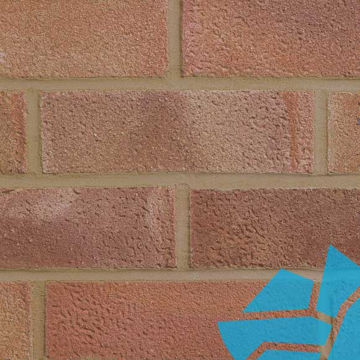
LBC Chiltern Brick 65mm
LBC Chiltern Brick 65mm, boasting a unique textured surface and warm colour tones. With measurements of 215mm x 65mm x 102.5mm (W x H x D), this facing brick provides unparalleled versatility for a wide range of construction projects. Enhance your design with the timeless elegance and exceptional durability of LBC Chiltern Brick, making it the perfect choice for adding character to facades, walls, and other architectural features.
Stock Availability: In stock
From £1.26 incl tax
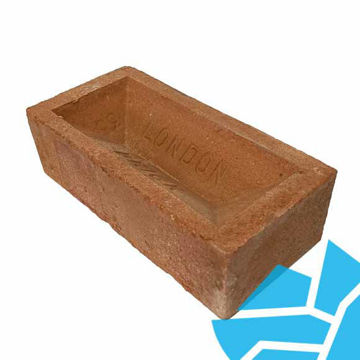
LBC Common Brick 65mm
LBC Common Brick 65mm - the clay material makes the product strong and a high quality brick.
Stock Availability: In stock
From £1.52 incl tax

LBC Cotswold Facing Brick 65mm
LBC Cotswold Facing Brick 65mm, a versatile and durable choice for housing projects nationwide. Crafted from high-quality clay, this facing brick offers exceptional strength and is perfect for extensions and renovations. Choose the LBC Cotswold Facing Brick 65mm for its quality, reliability, and timeless appeal.
Stock Availability: In stock
From £1.67 incl tax

LBC Dapple Light Facing Brick 65mm
LBC Dapple Light Facing Brick 65mm,, with its light texture and pressed design, is typically employed for a variety of masonry applications. The clay material makes the product strong and a high quality facing brick
Stock Availability: 6378 in stock
From £1.80 incl tax

LBC Heather Brick 65mm Red
LBC Heather Brick 65mm Red - the clay material makes the product strong and a high quality facing brick.
Stock Availability: In stock
From £1.70 incl tax
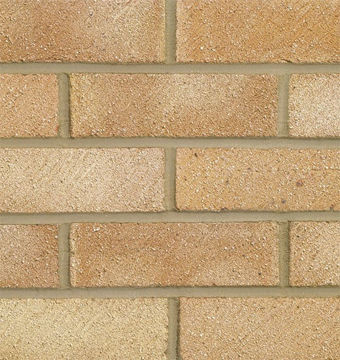
LBC Milton Brick 65mm Buff
LBC Milton Buff Facing Brick 65mm is a facing brick appreciated in housing projects throughout the nation. Crafted from resilient clay, these bricks exemplify top-tier quality, rendering them an excellent choice for both extensions and renovation undertakings.
Stock Availability: In stock
From £1.58 incl tax

LBC Rustic Antique Brick 65mm Red
LBC Rustic Antique Brick 65mm Red - introducing a time-tested Facing Brick ideal for residential construction. Our darker red rustic Facing Brick is meticulously crafted to seamlessly complement historic structures and walls constructed with earlier versions of the Facing Brick. Featuring a one-sided and dual-end facing, this brick effortlessly blends tradition with contemporary durability.
Stock Availability: In stock
From £1.86 incl tax

Payment options

