Choosing the Right Aggregate for Your Project
Building aggregates are used across groundwork, bricklaying, concrete, paving, driveways and landscaping. The right material depends on what you are building, the required finish and whether the aggregate is being used for drainage, mortar, concrete or as a compacted sub-base.
What Building Aggregates Do You Stock?
Our range includes building sand, sharp sand, ballast, MOT Type 1, gravel and other construction aggregates for a wide variety of building and landscaping applications.
Aggregates are available in several formats, including small bags, bulk bags and loose loads, so you can choose an option that suits the size of your project.
What Is Building Sand Used For?
Building sand is a fine, soft sand commonly used for bricklaying mortar, pointing and general masonry work.
It is normally mixed with cement and water to create mortar, with the exact mix depending on the job and project specification.
What Is Sharp Sand Used For?
Sharp sand has a coarser texture than building sand and is commonly used for screeding, paving, block paving and other construction applications where a firmer, more stable sand is required.
It can also be used as part of certain concrete or mortar mixes where specified.
Building Sand vs Sharp Sand - What Is the Difference?
The main difference is texture and typical use.
- Building sand is finer and is commonly used for bricklaying mortar and pointing.
- Sharp sand is coarser and is commonly used for screeding, paving and general construction work.
Choosing the correct sand helps improve workability and performance for the intended application.
What Is Ballast Used For?
Ballast is a blend of sand and gravel commonly mixed with cement and water to make concrete.
It is suitable for a range of general concrete applications such as foundations, bases and other construction work where a standard concrete mix is appropriate.
What Is MOT Type 1 Used For?
MOT Type 1 is a crushed aggregate used to form a compacted sub-base beneath driveways, paths, patios and other hard landscaping areas.
When correctly compacted, it provides a stable foundation for the surface material above.
What Gravel Is Used for Building Work?
Gravel can be used for drainage, concrete mixes, paths, driveways and other groundwork applications depending on the size and specification.
Always choose the correct gravel size for the job. Decorative gravel and construction gravel can look similar but may be intended for different purposes.
Small Bags, Bulk Bags or Loose Aggregates - Which Should I Choose?
The best format depends mainly on how much material you need and how easily the delivery area can be accessed.
- Small bags are convenient for repairs, smaller DIY jobs and projects where access or storage is limited.
- Bulk bags are useful for medium to larger projects and provide a convenient quantity that can usually be offloaded by crane-equipped delivery vehicles.
- Loose aggregates can be the most practical option for larger jobs where substantial quantities are required and there is suitable access for tipping.
When Should I Order Loose Aggregates?
Loose aggregates are particularly useful for larger groundwork, driveway, construction and commercial projects where using many individual bags would be inefficient.
Rose Building Supplies offers selected loose aggregates by tonne and larger bulk-load deliveries depending on product availability and delivery location.
How Do Large Aggregate Deliveries Work?
For larger construction projects, selected aggregates can be supplied in 10–20 tonne loose loads using an 8-wheel tipper.
Suitable site access is essential. The delivery location must provide enough room for the vehicle to enter, manoeuvre and tip the material safely.
Contact our sales team before ordering if you are unsure whether your site is suitable for a larger tipper delivery.
What Aggregates Are Available in Large Loose Loads?
Availability can vary, but larger loose deliveries may include products such as MOT Type 1, sharp sand, building sand, gravel, pea gravel and ballast.
Contact our team for current availability, load sizes and a tailored quotation.
Which Aggregate Do I Need for a Driveway?
A driveway normally requires a stable, well-compacted sub-base. MOT Type 1 is commonly used beneath block paving, gravel and other driveway surfaces.
The final aggregate or paving layer depends on the design of the driveway and the required finish.
Which Aggregate Do I Need for a Patio?
Patio construction can require several different materials. MOT Type 1 may be used for the sub-base, sharp sand may be used in suitable bedding or screeding applications, and other materials may be required depending on the paving system.
Always follow the paving manufacturer's installation guidance for the chosen product.
Which Aggregate Do I Need for Concrete?
Ballast is commonly combined with cement and water to make general-purpose concrete.
For project-specific structural concrete, always follow the specified concrete mix or professional guidance.
Which Sand Should I Use for Bricklaying?
Building sand is commonly used for bricklaying mortar because its fine texture makes the mix easier to work with.
You will also need suitable cement and, depending on the specification, other mortar additives or materials.
How Much Aggregate Do I Need?
The quantity depends on the length, width and required depth of the area, together with the density and type of aggregate being used.
For larger jobs, allowing for compaction and reasonable wastage is important. If you provide your project measurements, our team can help you estimate the quantity and recommend a suitable supply format.
Should I Allow Extra Aggregate for Compaction?
Yes. Materials used as sub-base or fill can reduce in depth when compacted, so the delivered volume may need to be greater than the final compacted volume required.
The amount of compaction varies by material and application, so allow for this when calculating quantities.
Can Aggregates Be Used for Drainage?
Some gravel sizes are suitable for drainage applications because the gaps between the stones allow water to move through the material.
The correct aggregate depends on the drainage system and project requirements, so check the intended specification before ordering.
What Else Might I Need with Building Aggregates?
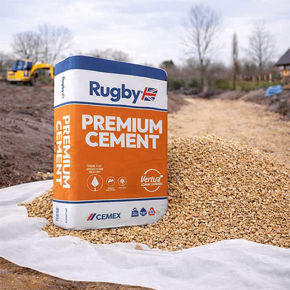
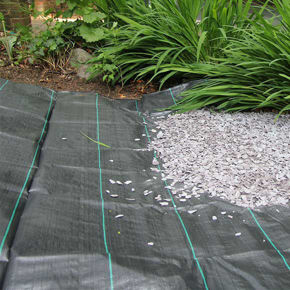
Aggregate projects often require other building materials such as cement, paving, drainage products, landscaping fabric or tools.
Building Aggregates in Peterborough & Huntingdon
Building aggregates are available for collection from our Peterborough and Huntingdon branches, subject to stock availability.
Both branches supply trade and public customers with aggregates for construction, groundwork, driveways, patios and landscaping projects.
Building Aggregate Delivery to Corby
Rose Building Supplies provides suitable aggregate delivery to the Corby area.
Corby is a delivery-only service area and does not have a Rose Building Supplies branch or collection point.
Need Help Choosing or Ordering Aggregates?
If you are unsure which aggregate or supply format is right for your project, contact our team with the application, approximate dimensions and delivery details.
We can help you compare small bags, bulk bags, loose aggregates and larger tipper loads for your project.